Dental Crowns Southgate CA: Before, During, and After Treatment

A dental crown is one of those treatments patients often hear about long before they understand what it actually involves. Someone chips a molar, cracks a filling, finishes a root canal, or notices a front tooth getting weaker year by year, and eventually the same phrase comes up in the treatment room: you need a crown.
That recommendation can feel bigger than it sounds. A crown is not just a patch or a quick polish. It changes the shape, strength, and surface of a tooth. Done well, it protects what is still healthy and restores the way you bite, chew, and smile. Done at the wrong time, or without a clear plan, it can turn into a source of frustration, sensitivity, or repeated repairs.
For patients searching for Dental Crowns Southgate CA, the most useful thing is not a vague description of caps and cement. It is a realistic picture of what happens before treatment starts, what the appointment feels like, how temporary crowns behave, what recovery is usually like, and how to make the final result last. That is where most of the practical questions live.
Why a tooth ends up needing a crown
The simplest explanation is that the tooth has lost too much structure to stay reliable on its own. Sometimes the reason is obvious, like a visible fracture or a large cavity. Other times, the tooth looks mostly intact from the outside, but years of fillings, pressure from grinding, or decay hidden under an old restoration have left it brittle.
Molars are frequent candidates because they absorb heavy chewing force. A back tooth with a large silver or white filling may work fine for years, then start to develop tiny cracks around the cusps. Patients often describe a sharp twinge when biting on something firm, or a strange sensation when releasing pressure after chewing. That pattern is common with cracked tooth syndrome, where a crown can hold the tooth together and reduce flexing.
Front teeth are a different story. Crowns there are often recommended after trauma, severe wear, root canal treatment, or large failing restorations that have compromised appearance as well as strength. In the front of the mouth, the dentist has to think not only about durability but also about symmetry, shade, translucency, and the way the tooth catches light.
There are also teeth that fall into a gray area. A patient may have a tooth with a large filling that has broken once, then been repaired, then chipped again. Technically, it can be patched another time. Clinically, that may not be the best long-term choice. Every repair removes a little more structure. At some point the conversation shifts from “Can this be filled again?” to “How do we keep this tooth functional for the next ten years?”
When a crown is the right choice, and when it may not be
Not every damaged tooth needs a crown. Small cavities usually do better with a filling. Teeth with cosmetic concerns but healthy structure may be better served by bonding or veneers. On the other end of the spectrum, some teeth are so broken down below the gumline that a crown will not solve the underlying problem. In those cases, extraction and replacement may be more predictable.
This is where judgment matters. A tooth that has had root canal treatment often benefits from full coverage because it is more likely to fracture over time, especially in the back of the mouth. But there are exceptions. A lower front tooth with minimal loss of structure after endodontic treatment may not need a full crown if it can be restored conservatively.
Patients are sometimes surprised to hear that bite forces influence the recommendation as much as the cavity itself. Someone who clenches at night can destroy a borderline tooth much faster than someone with a lighter bite. The same crown that lasts fifteen years in one patient may chip, loosen, or crack early in another if the bite is not managed.
The exam before treatment matters more than most people realize
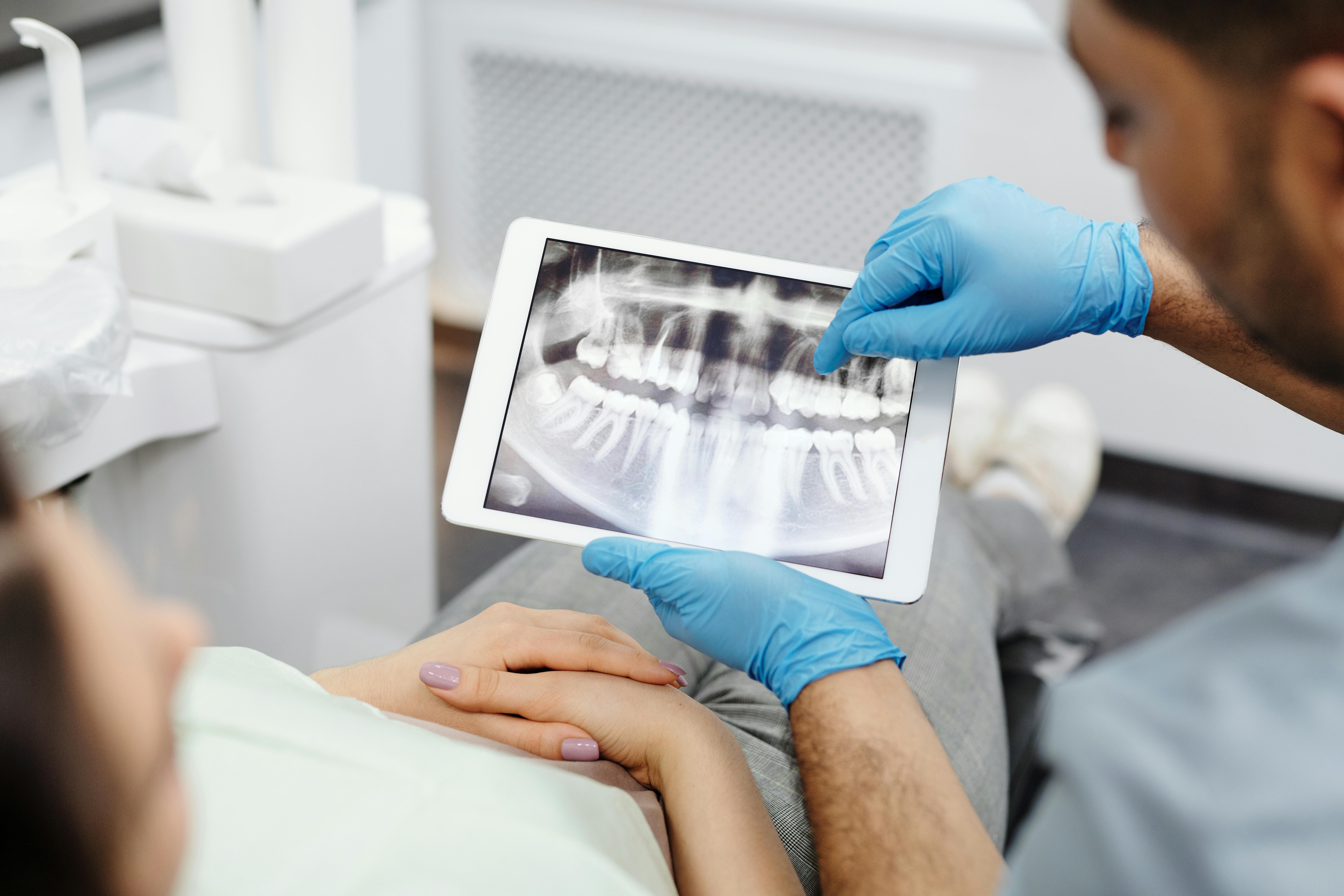
The crown appointment tends to get all the attention, but the diagnostic phase often determines whether treatment goes smoothly. A thorough exam looks at more than the tooth in question. It should include the surrounding gum tissue, the bite, the opposing tooth, the presence of cracks, and whether the nerve is still healthy.
X-rays help, but they do not reveal everything. A fracture line can hide. Old decay under a restoration may only become fully visible once the filling is removed. Sometimes a tooth that seemed straightforward turns out to need a root canal after preparation because the nerve was already inflamed beyond recovery. That does not mean anything was done wrong. It means the tooth had more internal damage than the imaging showed.
Good planning also includes a practical conversation. Patients need to know what material is being considered, whether a temporary crown will be placed, how long the final crown may take, and whether there are risks of sensitivity, gum soreness, or further treatment. In a well-run office, the recommendation is not rushed. It is explained in plain language.
Choosing the right crown material
This is one of the areas where patients hear a lot of partial information. They may ask for “porcelain” as if that were one thing, when in reality crown materials vary significantly in strength and appearance.
All-ceramic crowns are popular because they can look very natural, especially in visible areas. Zirconia has become common for molars because it is strong and can handle heavy bite forces. Porcelain layered over a core can offer beautiful esthetics, although it may chip in certain conditions. Porcelain-fused-to-metal crowns still have a place in some situations, especially where durability matters and the cosmetic zone is less demanding, but they are less favored in highly visible areas because the metal margin can show over time if the gums recede.
There is no perfect material for every tooth. A patient who wants the most lifelike front crown may accept that esthetics come with more detailed shade matching and careful handling. A patient who breaks restorations may prioritize durability. The location of the tooth, the available space, the color of the underlying tooth structure, and the patient’s bite all shape that decision.
What happens at the preparation appointment
For most patients, the first major visit is easier than expected. The tooth is numbed thoroughly, and the dentist removes decay, old filling material, unsupported enamel, or fractured portions of the tooth. Once the weak areas are gone, the remaining structure is shaped so the crown can fit securely.
This part is highly technical. The crown has to be strong enough to resist chewing forces, thin enough to fit naturally into the bite, and contoured so that the gums can stay healthy around it. Too bulky, and food traps or floss catches. Too thin, and the ceramic may fracture. Too short, and retention suffers. Too aggressive, and healthy tooth structure is sacrificed unnecessarily.
If a large portion of the tooth is missing, the dentist may build up the core first. That means placing restorative material to recreate a solid foundation before shaping the tooth for the crown. In some root canal treated teeth, a post may be used to help retain that build-up, though posts are not needed routinely and are often misunderstood. They do not strengthen the tooth by themselves. Their role is retention when not enough internal structure remains.
After the tooth is prepared, an impression or digital scan is taken. Digital scanning has made this stage far more comfortable in many offices, especially for patients who dislike impression material. The scan captures the prepared tooth, adjacent teeth, and bite relationship, giving the lab or milling system the information needed to fabricate the final crown.
Then comes the temporary.
Living with a temporary crown
Temporary crowns deserve more respect than they usually get. They are not just placeholders. They protect the prepared tooth, help maintain spacing, support the gum tissue, and let the patient function while the final crown is being made.
That said, they are not as strong as the permanent restoration. Patients are usually advised to chew carefully on that side, avoid sticky foods, and floss with a slight pull-through motion rather than snapping the floss back upward. Temporary crowns can loosen, especially if the original tooth had minimal retention or the patient has a very heavy bite.
A temporary may feel slightly different from the final crown will feel. It might be a bit smoother, slightly less refined in shape, or not perfectly matched in color. That is normal. What matters is whether the bite feels reasonable and whether the tooth is protected without significant discomfort.
If the temporary comes off, it is worth calling the office promptly. Some patients are tempted to leave it out for a few days if the tooth does not hurt. The risk is that the tooth may drift subtly, the gums can swell around the margin, and the final crown may not seat as intended.
The second appointment, where fit matters more than speed
When the permanent crown returns from the lab, the placement appointment is not just a matter of gluing it on. A careful dentist checks multiple details before cementing anything permanently.
The crown should fit at the margin without gaps. Contacts with neighboring teeth should be snug enough to prevent food trapping but not so tight that floss shreds or jams. The bite should feel balanced when the patient closes naturally, bites firmly, and slides side to side if needed. On front teeth, appearance has to be assessed from more than one angle and under real lighting.
This is one reason patients sometimes spend more time than expected at the delivery visit. Small adjustments can make a large difference in comfort. A crown that is even slightly high can leave the tooth sore for days, especially if the supporting ligament becomes irritated by excess pressure. That is one of the most common reasons patients say a crown “doesn’t feel right” at first.
If a crown is cemented and the bite still feels off after the numbness wears away, a simple adjustment can often solve it. Patients should not assume they just need to live with it.
What normal recovery looks like
Most people return to normal function quickly, but a few short-term symptoms are common. The gum around the tooth may feel tender for a couple of days. Cold sensitivity can occur, especially if the tooth still has a living nerve and the preparation was deep. The jaw can feel slightly fatigued after keeping the mouth open during treatment.
Usually, symptoms improve rather than intensify. Mild soreness when chewing during the first several days is not unusual, especially if the tooth had a crack or heavy biting pain before treatment. What deserves attention is pain that increases, spontaneous throbbing, lingering temperature sensitivity, or a bite that feels too high.
Here is a practical way to think about the first week after a crown:
- Mild tenderness to pressure can be normal.
- Temporary sensitivity to cold may happen and often fades.
- Sharp pain on every bite is not something to ignore.
- A feeling that one tooth is hitting first usually needs an adjustment.
- Swelling, severe pain, or inability to chew warrants a call to the office.
Some teeth settle beautifully after a crown. Others reveal that the nerve was already too inflamed to recover. In those cases, a root canal may still become necessary even after the crown is placed. Patients understandably find that frustrating, but it is a known risk with deep restorations and heavily compromised teeth.
How long crowns usually last
This is the question almost every patient asks, and no honest answer is a guarantee. Many crowns last well over a decade. Some fail much sooner. The lifespan depends on the condition of the tooth underneath, the quality of the fit, the patient’s home care, the bite, the material, and plain old wear over time.
Crowns do not get cavities, but the tooth structure at the margin absolutely can. The most common long-term problems are recurrent decay at the edge of the crown, fracture of the underlying tooth, loosening of the cement, wear from grinding, and gum recession that exposes the margin or root surface.
I have seen old crowns that looked cosmetically dated but were still functioning after twenty years because the patient kept the area impeccably clean and wore a night guard faithfully. I have also seen newer crowns fail early because the tooth was overloaded nightly by clenching, or because the margin sat in a high-risk area where plaque accumulated constantly.
Caring for a crowned tooth day to day
A crown does not exempt a tooth from maintenance. If anything, it raises the stakes, because replacing a failed crown is more complex and costly than maintaining the one you already have.
Good home care is not glamorous, but it works. Brush thoroughly at the gumline. Floss daily, especially around the crown margins. If food tends to pack between crowned teeth, that is worth mentioning at a follow-up, because the contact may need evaluation. For patients with a history of grinding, a custom night guard can add years to the life of both natural teeth and restorations.
The habits that shorten a crown’s life are predictable. Chewing ice, using teeth as tools, opening packages with the front teeth, and ignoring bite discomfort all lead in the wrong direction. So does skipping recall visits. Dentists often catch failing margins or bite wear early, when intervention is simpler.
Cost, value, and the hidden economics of delaying treatment
Crowns are not inexpensive, and patients often weigh the cost against “waiting a little longer.” Sometimes waiting is reasonable. Sometimes it turns a manageable restoration into a much larger problem.
A cracked molar that still feels only mildly sensitive can become a root canal case after the crack deepens. A tooth that might have been restored with a crown and core build-up can become non-restorable if the fracture extends below the bone. Delaying does not always make the tooth unsalvageable, but it can narrow the treatment options.
Value is not just the fee on the day of service. It includes the quality of diagnosis, the fit of the restoration, whether the office addresses occlusion carefully, and whether the crown is designed with long-term gum health in mind. A lower upfront fee can become expensive if the crown traps food, feels high, or has to be remade prematurely.
Questions worth asking before you move forward
Patients do better when they understand the rationale for treatment. A few thoughtful questions can clarify whether the plan makes sense for your situation.
- What specific problem is the crown solving, fracture risk, decay, structural weakness, or esthetics?
- Is there a realistic alternative to a crown in this tooth?
- What material do you recommend for this location, and why?
- What symptoms after treatment would be normal, and what would need a recheck?
- Do you recommend a night guard if I clench or grind?
Those questions often reveal how tailored the treatment plan really is. A good recommendation sounds specific. It connects the condition of your tooth to the choice of restoration, not just to a generic script.
Special situations that can change the plan
Some crown cases are straightforward. Others involve layers of complexity that patients should understand ahead of time.
Gum health is one of them. If the gums are inflamed or bleeding heavily, the impressions or scans may be less precise, and the final crown margin may not be ideal. In those cases, improving periodontal health first can lead to a better result.
Another is limited opening. Patients with jaw tension, TMJ symptoms, or a strong gag reflex may need shorter appointments, extra support, or modifications to the workflow. Digital scanning helps some people significantly, but not all. A little planning goes a long way.
Then there is the previously root canal treated tooth with very little structure left above the gumline. That situation raises a legitimate question about prognosis. A crown may still be simpledentalca.com Dental Crowns Southgate CA appropriate, but only if there is enough remaining tooth to hold it predictably. Otherwise, the restoration can fail not because the crown was poorly made, but because the foundation was inadequate from the start.
Finding the right fit for Dental Crowns Southgate CA
For anyone comparing options for Dental Crowns Southgate CA, the best choice is rarely the office with the shortest sales pitch. It is the practice that explains why the tooth needs full coverage, discusses material options honestly, evaluates the bite carefully, and gives you a clear idea of what the process and recovery will look like.
That matters in a place like South Gate, where patients are balancing treatment decisions with work schedules, family responsibilities, insurance limits, and the practical need to get back to normal life quickly. A crown should not feel mysterious. You should know what the tooth looked like before treatment, what the dentist is trying to preserve, and what your role is after the crown is placed.
When patients understand the before, during, and after, they tend to make better decisions and have fewer surprises. They know that a crown is not just a cap. It is a structural restoration with real benefits, real limitations, and a clear maintenance burden. Approached with that mindset, crown treatment can be one of the most useful tools in restorative dentistry, preserving teeth that might otherwise keep breaking down, and restoring function in a way that feels uneventful once healing is complete.
And that, honestly, is the goal. The Dental Crowns Southgate CA best crown is often the one you stop thinking about because it simply does its job every day.
Simple Dental South Gate
Address: 8617 California Ave, South Gate, CA 90280
Phone number: +13236896118
FAQ About Dental Crowns Southgate CA
How much do crowns cost per tooth?
In the United States, a single dental crown typically costs between $800 and $2,500 per tooth without insurance. The ultimate out-of-pocket price depends heavily on the crown material, the location of the tooth, and whether you have dental insurance coverage.
What is the downside of crowns on teeth?
The primary downside of a dental crown is that the procedure permanently removes natural tooth enamel to shape the tooth for the cap.
Why do dentists push for crowns?
Dentists recommend crowns because a large filling cannot provide enough strength when a tooth loses a major portion of its structure or faces heavy chewing pressure.